

IGF-1 (Insulin-Like Growth Factor-1) is one of the most commonly mentioned compounds when discussing growth hormone, muscle growth, recovery, and even skin health.
While it is often brought up alongside peptides, IGF-1 is not a peptide itself in the same sense. Instead, it is a key signaling molecule produced in response to growth hormone activity.
Understanding how IGF-1 works helps explain why so many peptide discussions eventually come back to it.
What Is IGF-1?
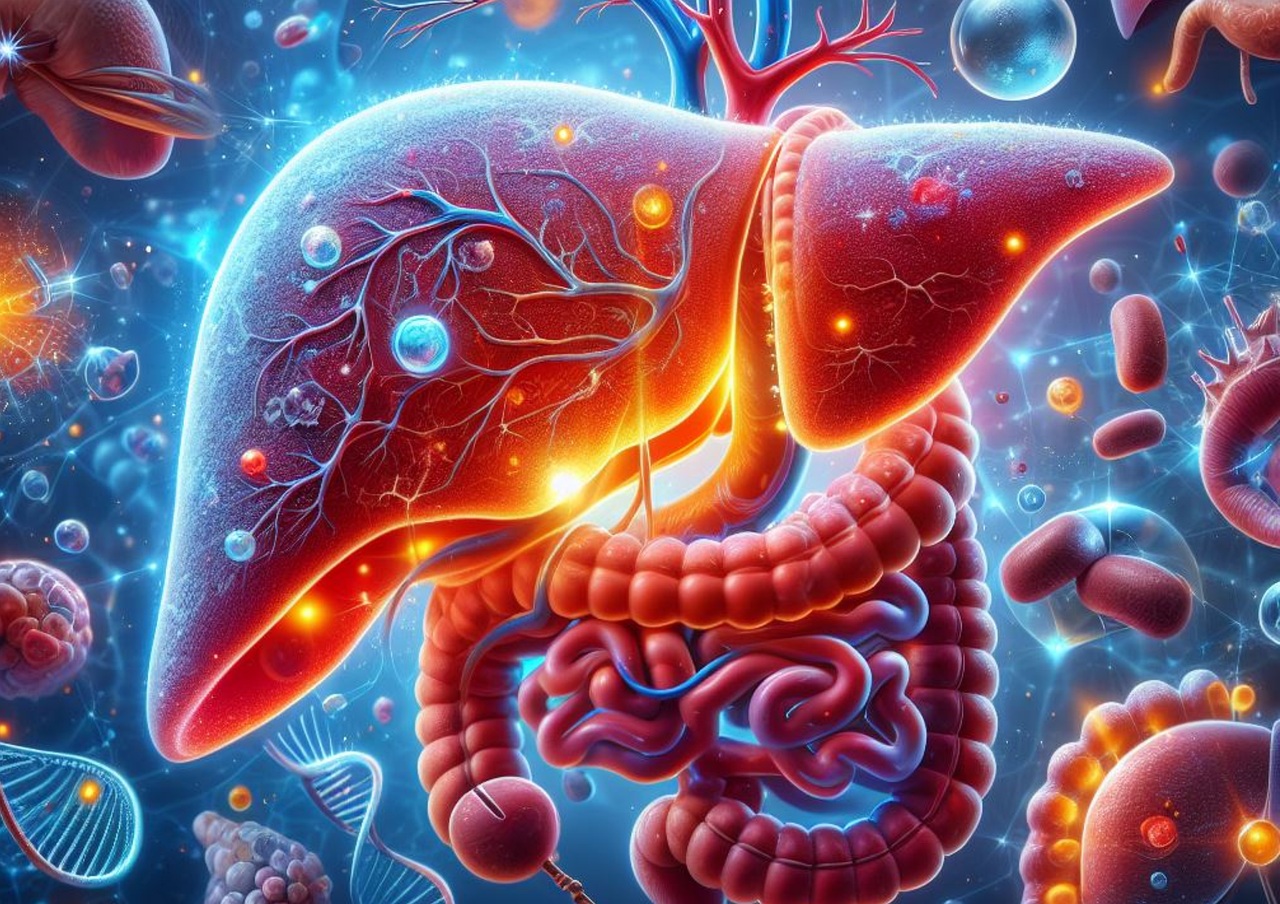
IGF-1 is a hormone produced primarily in the liver, though it is also created in smaller amounts throughout the body.
It is released in response to growth hormone and plays a major role in:
- muscle growth
- tissue repair
- cell growth and regeneration
- metabolic signaling
In simple terms:
👉 growth hormone sends the signal
👉 IGF-1 carries out many of the effects
How IGF-1 Relates to Growth Hormone
Growth hormone and IGF-1 are closely connected.
- Growth hormone → stimulates IGF-1 production
- IGF-1 → drives many of the physical effects
This is why many discussions around growth hormone–related peptides ultimately relate back to IGF-1 levels.
Higher growth hormone activity typically leads to increased IGF-1 signaling, which is where many of the downstream effects occur.
| Area | What IGF-1 Does | Why It Matters |
|---|---|---|
| Muscle Growth | Supports protein synthesis and muscle cell growth | Helps drive muscle development and recovery |
| Recovery | Promotes tissue repair and regeneration | Supports faster recovery from training or injury |
| Fat Metabolism | Influences energy use and nutrient partitioning | Plays a role in body composition changes |
| Insulin Interaction | Interacts with insulin signaling pathways | Affects how the body uses and stores nutrients |
| Healing | Supports cell growth and repair processes | Important for tissue recovery and regeneration |
| Skin / Acne | Can increase oil production and skin turnover | May influence breakouts in some individuals |
| Growth Hormone Link | Produced in response to growth hormone | Carries out many GH-related effects |
IGF-1 and Muscle Growth
IGF-1 is strongly associated with muscle development and recovery.
It is linked to:
- protein synthesis
- muscle cell growth
- recovery from training
- adaptation to stress
Because of this, it is often discussed in relation to muscle-building environments where growth and repair are ongoing.
IGF-1 and Fat Loss
IGF-1 is also connected to metabolic processes.
It is associated with:
- nutrient partitioning
- energy use
- interaction with insulin pathways
While it is not a direct “fat loss” signal on its own, it plays a role in how the body uses and stores energy, which is why it is often discussed alongside fat-loss peptides and metabolism-focused compounds.
IGF-1 and Healing
IGF-1 plays a major role in tissue repair.
It is linked to:
- cell regeneration
- connective tissue repair
- wound healing processes
This is why it is often mentioned alongside healing peptides that support recovery from injuries or training stress.
IGF-1 and Skin / Acne
IGF-1 is also connected to skin function.
It is associated with:
- skin cell growth
- oil (sebum) production
- overall skin turnover
Because of this, higher IGF-1 activity is sometimes discussed in relation to increased oil production and breakouts in certain individuals.
This is one of the reasons it appears in discussions around peptides and acne.
Why IGF-1 Levels Matter
IGF-1 is not simply “good” or “bad” — it’s about balance.
Too little IGF-1 activity:
- may be associated with slower recovery
- reduced growth signaling
Higher IGF-1 activity:
- increases growth and repair processes
- may also increase certain side effects depending on the context
This balance is why IGF-1 is often monitored in medical settings and discussed in performance and recovery contexts.
Where This Fits Within Peptide Use
Many peptides are discussed in terms of how they influence IGF-1.
For example:
- growth hormone–related peptides → increase IGF-1 indirectly
- healing peptides → support processes that IGF-1 also affects
- fat-loss peptides → interact with overlapping metabolic pathways
Understanding IGF-1 helps connect these different categories and explain why they are often grouped together in discussions.
Final Thoughts
IGF-1 sits at the center of many processes related to growth, recovery, metabolism, and skin function. While growth hormone often gets the attention, IGF-1 is responsible for carrying out many of the effects that people are actually looking for.
This is why IGF-1 is frequently mentioned in discussions around peptides, even when it is not directly being used.
Educational Disclaimer
This content is for informational purposes only and does not constitute medical advice. The compounds referenced are not approved for human use in many countries and are often discussed in research contexts only. Always consult a qualified healthcare professional before making decisions related to peptides or hormone-related compounds.