

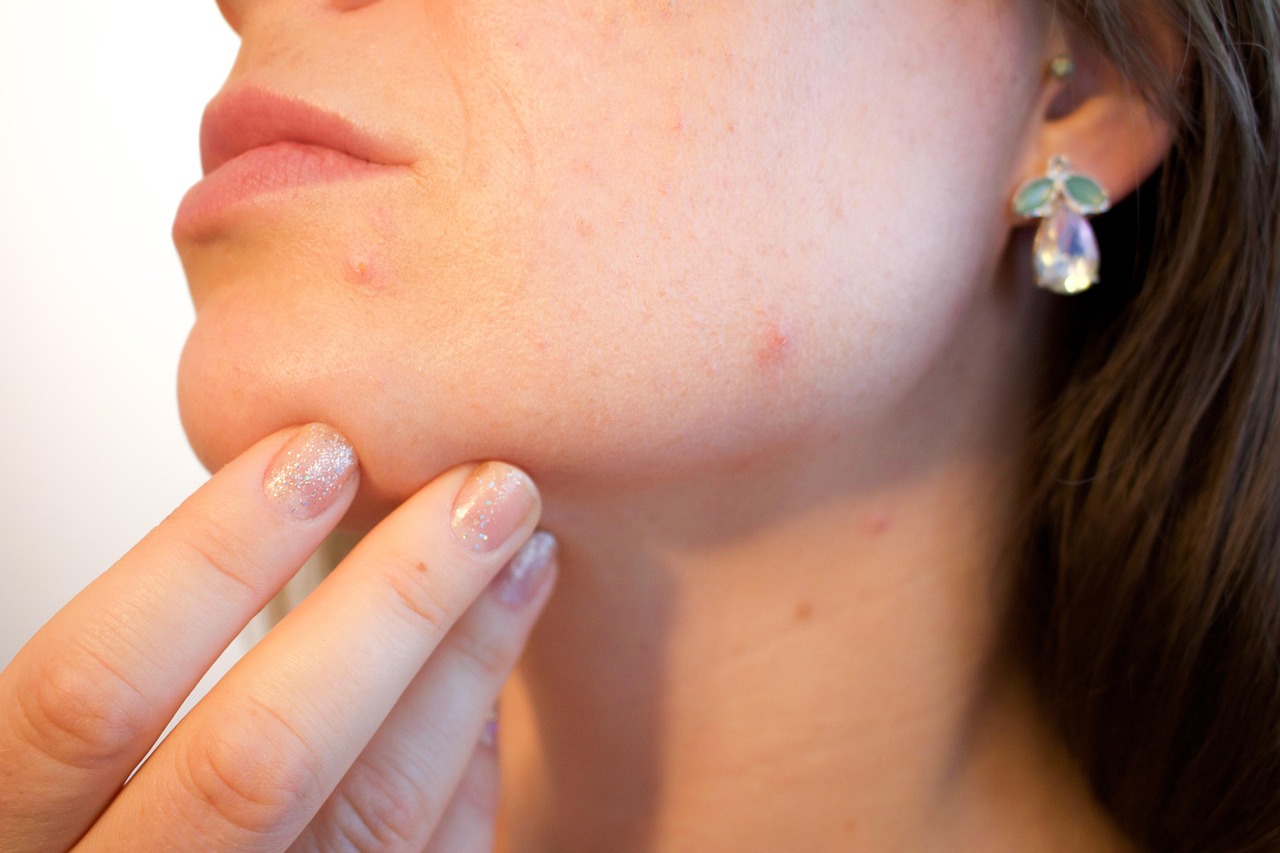
Acne is influenced by multiple factors, including hormones, inflammation, oil production, and skin bacteria. While peptides are often discussed in the context of recovery, performance, and overall health, some are also associated with skin-related effects.
Depending on how they interact with inflammation, hormone signaling, and skin repair processes, certain peptides may support skin clarity, while others may contribute to breakouts in some individuals.
This article explores how different peptides relate to acne, skin health, and breakouts.
What Causes Acne
Acne typically develops through a combination of factors:
- excess oil (sebum) production
- clogged pores
- bacterial activity
- inflammation
- hormonal fluctuations
Any compound that influences these pathways can potentially affect how the skin behaves.
External Factors: Skin Hygiene and Sweat-Related Breakouts
Alongside internal factors, external conditions also play a major role in acne—especially for those who train regularly or sweat often. Sweat, friction, and bacteria buildup on the skin can contribute to clogged pores and irritation, particularly on the chest, back, shoulders, and neck.
Hypochlorous acid is commonly used in skincare for its ability to support skin hygiene and reduce surface bacteria without being overly harsh or drying.
Products like Gym Acid, a hypochlorous acid–based skin spray, are designed for use around workouts or daily activity where sweat and buildup can contribute to breakouts. While this does not address deeper hormonal or internal factors, maintaining cleaner skin can help reduce surface-level triggers—especially in areas prone to sweat-related acne.
Peptides Associated With Skin Support
Some peptides are linked to processes that support skin repair, inflammation balance, and overall skin health.
BPC-157 and Skin Repair
BPC-157 is often associated with tissue repair and circulation.
It is linked to:
- improved blood flow
- connective tissue support
- repair signaling
Because skin healing relies on circulation and tissue regeneration, BPC-157 is sometimes discussed in relation to skin recovery and repair processes.
Copper Peptides (GHK-Cu) and Skin Quality
Copper peptides, particularly GHK-Cu, are widely known for their role in skin-related processes.
They are associated with:
- collagen production
- skin remodeling
- antioxidant activity
- wound repair signaling
These properties make copper peptides one of the most commonly discussed peptides in relation to skin appearance and structural support.
KPV and Inflammation
KPV is linked to inflammatory signaling pathways.
Since inflammation plays a major role in acne:
- redness
- swelling
- irritation
KPV is sometimes discussed in relation to calming inflammatory responses, which may influence how the skin reacts during breakouts.
Peptides That May Influence Acne Negatively
Some peptides influence hormones, growth factors, or oil production pathways that may contribute to acne in certain individuals.
Growth Hormone Peptides and Oil Production
Growth hormone–related peptides can increase IGF-1 (Insulin-Like Growth Factor-1) levels.
IGF-1 is associated with:
- increased oil production
- stimulation of sebaceous glands
- changes in skin environment
Because of this, some individuals notice an increase in acne or oiliness when GH-related signaling is elevated.
IGF-1 and Skin Changes
IGF-1 itself plays a role in:
- skin cell growth
- oil gland activity
- overall skin turnover
Higher IGF-1 activity has been linked to increased acne severity in some cases, which is why anything that elevates this pathway may influence breakouts.
Hormonal Shifts and Skin Response
Peptides that indirectly influence:
- insulin sensitivity
- growth signaling
- hormone balance
may also affect acne depending on the individual.
Skin response varies widely, and not all users experience the same effects.
Why Effects Can Differ Between People
One of the biggest factors with acne is individual variability.
The same peptide may:
- improve skin in one person
- worsen breakouts in another
This depends on:
- hormone levels
- skin type
- diet
- lifestyle
- existing acne severity
Where This Fits Within Peptide Research
Skin health is often discussed alongside other peptide categories, particularly those related to healing and recovery.
Many of the same pathways involved in inflammation, tissue repair, and cellular signaling are also associated with broader recovery processes in the body.
Final Thoughts
Peptides can influence several pathways related to skin health, including inflammation, collagen production, oil regulation, and hormone signaling. While some peptides are associated with skin repair and improved skin quality, others may contribute to breakouts depending on how they affect oil production and growth factor activity.
Understanding these mechanisms helps explain why peptides are sometimes discussed in relation to acne and overall skin condition.
Educational Disclaimer
This content is for informational purposes only and does not constitute medical advice. The compounds referenced are not approved for human use in many countries and are often discussed in research contexts only. Always consult a qualified healthcare professional before making decisions related to skin health or supplementation.