

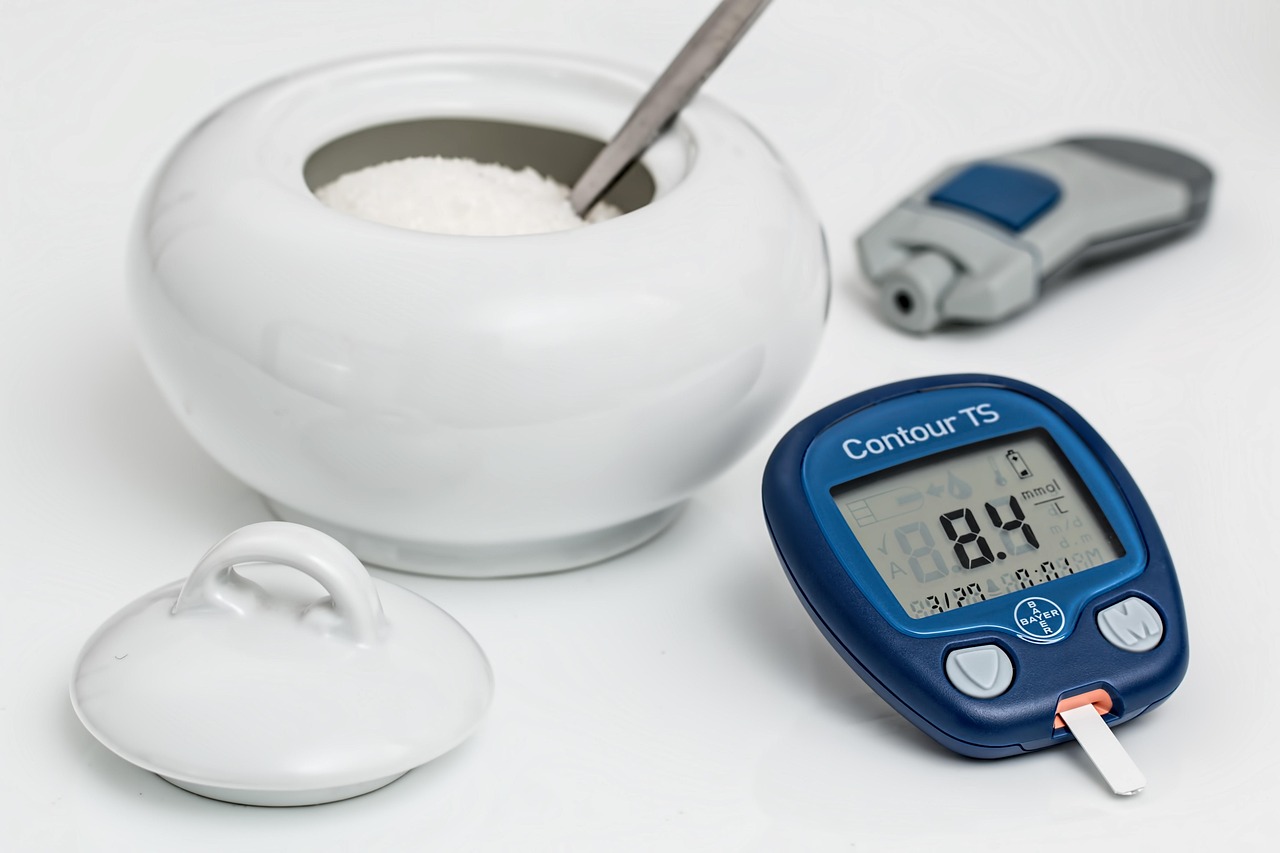
Growth hormone peptides are commonly used to support sleep, recovery, fat loss, tissue repair, lean muscle retention, and overall well-being. Because these peptides increase natural growth hormone activity, some users wonder whether they can also affect blood sugar. Growth hormone can temporarily reduce insulin sensitivity, but this is a normal part of how GH works and does not mean GH peptides automatically cause diabetes.
For many healthy and active users following a sensible protocol, any changes may be mild, temporary, or not noticeable at all. The overall effect depends on the peptide, dosage, duration of use, body composition, diet, activity level, and existing glucose control.
Which GH Peptides May Affect Blood Sugar?
Any compound that significantly increases growth hormone or IGF-1 may influence blood sugar to some degree. Common examples include:
- CJC-1295 without DAC
- CJC-1295 with DAC
- Ipamorelin
- Sermorelin
- Tesamorelin
- GHRP-2
- GHRP-6
- Hexarelin
MK-677, also known as ibutamoren, is not technically a peptide, but it is often included in the same discussion because it also stimulates growth hormone release. Short-acting peptides such as CJC-1295 without DAC, ipamorelin, and sermorelin are generally used to create a temporary GH pulse, allowing growth hormone to rise for a period before returning closer to baseline.
Longer-acting options such as CJC-1295 with DAC and MK-677 create more sustained GH and IGF-1 activity. This may be useful for certain goals, but longer exposure may be more likely to affect appetite, water retention, or blood sugar in sensitive users.
Why Can Growth Hormone Affect Blood Sugar?
Growth hormone helps the body make stored energy available during fasting, sleep, and exercise. It encourages the release and use of stored fat while helping preserve glucose in the bloodstream. To do this, GH can temporarily reduce how easily certain tissues absorb glucose, meaning insulin may need to work slightly harder during this period.
This is part of normal human physiology. Growth hormone naturally rises during sleep and fasting, helping the body shift toward greater fat use while preserving muscle and available energy. A temporary change in insulin sensitivity is not the same as developing diabetes.
The concern becomes more relevant when GH exposure is unnecessarily high, remains elevated throughout much of the day, or is combined with existing metabolic problems. A moderate pulse from a short-acting peptide is very different from using multiple compounds or doses that keep growth hormone elevated continuously.
Do GH Peptides Cause Diabetes?
GH peptides do not automatically cause diabetes, and most healthy users will not suddenly become diabetic from following a conservative peptide protocol. Risk depends heavily on the individual.
Someone who exercises regularly, maintains a reasonable body-fat level, and begins with healthy glucose control is in a very different position from someone who already has prediabetes or poor insulin sensitivity. Dosage and total exposure also matter, particularly when several GH-releasing compounds are combined.
For many users, the more realistic concern is a small and temporary change in glucose control rather than diabetes. If blood sugar begins trending upward, the effect may improve after lowering the dose, reducing the frequency, increasing activity, losing excess body fat, or discontinuing the compound.
The Benefits Still Matter
The possible effect on blood sugar should be kept in perspective. GH peptides remain popular because they may support deeper sleep, improved workout recovery, fat loss, connective tissue, lean muscle retention, and general well-being.
Growth hormone also supports fat mobilization and may help reduce visceral abdominal fat when paired with an appropriate diet and exercise routine. Visceral fat itself is strongly associated with poor insulin sensitivity, so reducing it may support better long-term metabolic health.
Improved sleep and recovery can also make it easier to train consistently. Resistance training helps muscle tissue use glucose more efficiently, while regular activity supports overall insulin sensitivity. This means the final result is not determined by GH activity alone.
A user who improves body composition, sleep, and training consistency may have a very different outcome from someone who uses excessive doses while gaining body fat and remaining inactive.
Why Are GH Peptides Usually Taken Fasted?
Short-acting GH peptides are often administered when glucose and insulin are relatively low. The purpose is not to improve absorption, but to create a better environment for the GH pulse the peptide is intended to produce.
A large meal, particularly one high in carbohydrates, raises glucose and insulin and may partially reduce the intended GH pulse. This does not mean food completely stops the peptide from working. It simply means the response may be stronger when the peptide is used during a relatively low-insulin period.
Fasted timing is most relevant to short-acting peptides such as CJC-1295 without DAC combined with ipamorelin. It matters less with longer-acting compounds because their activity continues well beyond the immediate dosing window.
Common Fasting Windows
There is no single fasting schedule that has been proven ideal for every user. A practical and repeatable routine is more important than chasing perfect timing.
A common approach is to wait approximately two to three hours after a substantial meal before administering a short-acting GH peptide. Many users then wait another 30 minutes after the injection before eating.
For a morning dose, the peptide can be taken after the overnight fast, followed by breakfast approximately 30 minutes later. For a bedtime dose, the final meal can be finished approximately two to three hours before the injection, with the peptide administered shortly before sleep.
Meal size and composition also matter. A large meal containing carbohydrates, protein, and fat may remain in digestion longer than a small meal. The goal is not to reach a completely insulin-free state, but simply to avoid injecting immediately after a large meal when insulin is likely to be highest.
There is also no reason to extend the fasting window so far that it interferes with workout nutrition, recovery, sleep, or overall calorie intake.
Can You Eat After a GH Peptide Injection?
Yes. Many users wait approximately 30 minutes after using a short-acting GH peptide before eating.
Eating immediately afterward, particularly a large carbohydrate-heavy meal, may reduce part of the intended pulse. However, one poorly timed meal will not ruin an entire protocol. Consistency matters more than occasionally eating sooner than planned, and waiting several additional hours after the injection is generally unnecessary.
Does Five Days On and Two Days Off Help?
A five-days-on, two-days-off schedule is common with GH peptides. Some users choose it to reduce total weekly exposure, lower cost, create planned breaks, or make the protocol easier to maintain.
There is limited evidence that five days on and two days off is specifically required to prevent insulin resistance, pituitary fatigue, or receptor desensitization. With short-acting peptides, the two days off provide a genuine break from direct stimulation. With CJC-1295 with DAC, some activity may continue during the break because the compound remains active much longer.
A five-on, two-off schedule can still be a reasonable option, particularly for users who do not feel they need daily dosing. It may slightly reduce total weekly GH exposure, but dosage, diet, activity, body composition, and total protocol length remain more important than the exact arrangement of dosing days.
Supporting Healthy Blood Sugar
The same habits that support blood sugar also tend to improve peptide results. Maintaining a healthy waist measurement and avoiding excessive visceral fat are especially important.
Resistance training helps muscles absorb and use glucose, while cardiovascular exercise provides additional support. Even a short walk after a larger meal may help improve post-meal glucose control.
Carbohydrates do not need to be eliminated. Active users may still perform well with a higher-carbohydrate diet. Choosing mostly minimally processed foods and placing more carbohydrates around training may help the body use them more efficiently.
Persistent calorie excess should be avoided. GH peptides may support fat loss and recovery, but they cannot fully compensate for consistently consuming more calories than the body requires.
Dosage also matters. More peptide does not always produce better results. Excessive GH exposure may increase water retention, appetite, numbness, tingling, or glucose changes without providing an equal increase in benefits. A conservative and consistent protocol is generally preferable to chasing the strongest possible GH pulse.
Should Blood Sugar Be Monitored?
Healthy users do not necessarily need to monitor blood sugar constantly. Occasional bloodwork can still be useful during longer protocols, particularly when using higher doses or longer-acting compounds.
Common markers may include:
- Fasting glucose
- HbA1c
- Fasting insulin
- IGF-1
- Triglycerides
- Waist measurement
A single elevated home glucose reading does not prove that a peptide is causing a problem. Blood sugar can be affected by sleep, stress, illness, dehydration, alcohol, late meals, and hard training.
Testing under similar conditions provides a more useful comparison. Baseline bloodwork before beginning a longer protocol also makes later results easier to interpret. Anyone who already has diabetes, prediabetes, or impaired fasting glucose should be more cautious and discuss GH-related compounds with a qualified healthcare professional.
Peptide Quality and Accurate Dosing
Consistent dosing is important when evaluating both benefits and side effects. A product containing substantially more or less peptide than stated can make the results difficult to predict.
Choosing peptides supported by independent third-party identity and purity testing can provide additional confidence that the product contains what the label claims. Proper reconstitution, refrigeration, storage, and accurate measurement are also important for keeping the protocol consistent.
Final Thoughts
GH peptides can temporarily influence insulin sensitivity because growth hormone naturally helps preserve glucose while encouraging the body to use stored fat for energy. This is a normal physiological effect and does not mean GH peptides automatically cause diabetes.
For many healthy and active users, any blood sugar changes may be mild, manageable, and reversible. The outcome depends on the peptide, dosage, total GH exposure, body composition, diet, activity level, and existing metabolic health.
A fasting window of approximately two to three hours after a substantial meal and 30 minutes after a short-acting peptide injection is a practical approach that can support the intended GH pulse without making the protocol unnecessarily restrictive.
A five-days-on, two-days-off schedule may reduce total weekly exposure, but it is not required for every user. Sensible dosing, regular exercise, appropriate nutrition, and occasional monitoring remain more important.
When used responsibly, GH peptides may offer meaningful benefits for sleep, recovery, fat loss, body composition, and overall well-being without blood sugar becoming a major concern for most healthy users.
Educational Disclaimer
This article is intended for educational purposes only and should not be considered medical advice. Always consult a qualified healthcare professional before beginning any medication, peptide, or hormone protocol, particularly if you have diabetes, prediabetes, impaired glucose tolerance, or other metabolic concerns.