

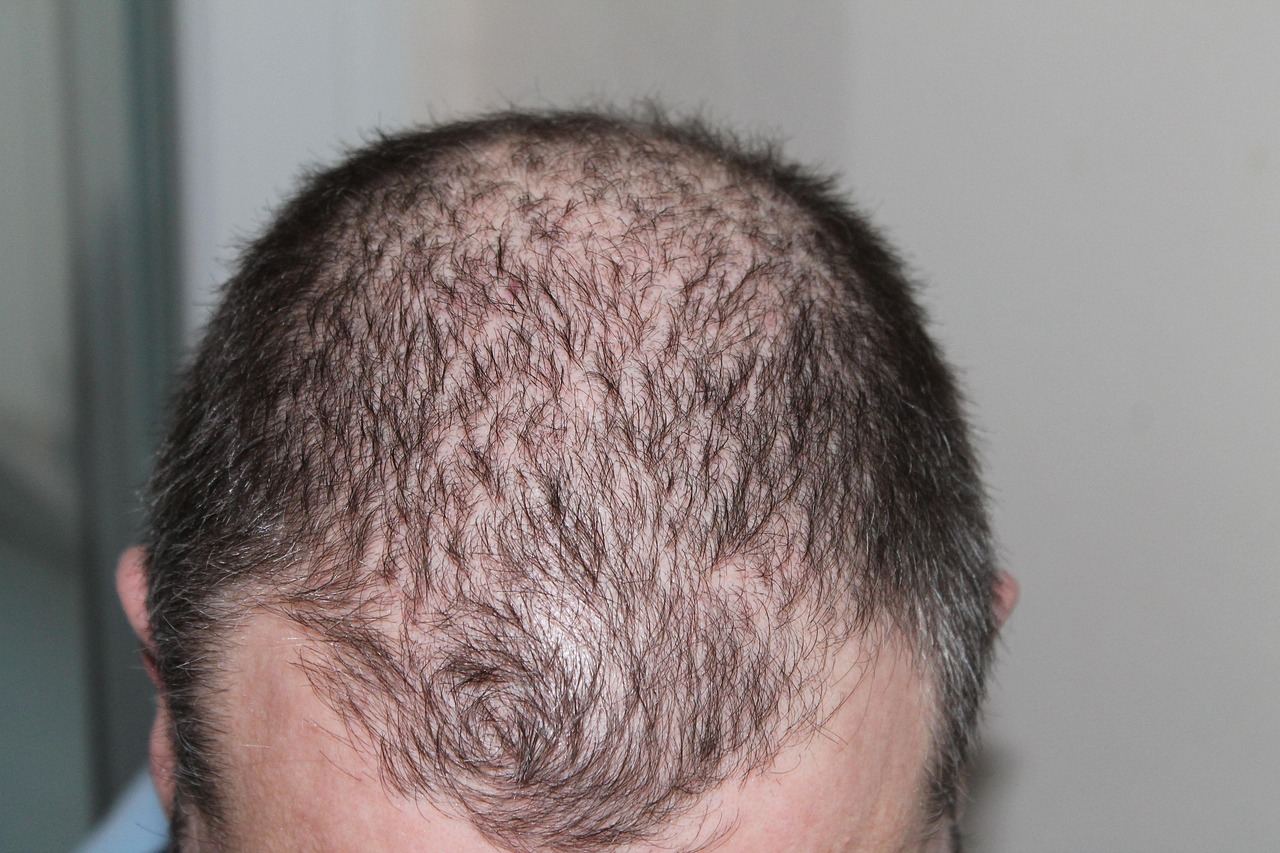
Hair growth and hair loss are influenced by many different factors, including hormones, inflammation, stress, circulation, nutrition, and overall skin health. Because peptides interact with several of these systems, they are increasingly being discussed in relation to hair growth, shedding, and scalp health.
Some peptides are associated with collagen production, tissue repair, and growth signaling, while others may indirectly influence hormones or pathways connected to hair loss.
This article explores how peptides are commonly discussed in relation to hair growth and hair shedding.
What Influences Hair Growth?
Hair growth is closely tied to several biological systems, including:
- blood flow and circulation
- collagen and skin health
- inflammation
- hormone signaling
- nutrient delivery
- stress and recovery
Because hair follicles are highly active tissues, anything that affects growth and repair signaling may also influence hair quality and growth cycles.
GHK-Cu and Hair Health
One of the most commonly discussed peptides for hair and skin support is GHK-Cu (copper peptide).
GHK-Cu is associated with:
- collagen production
- skin remodeling
- antioxidant activity
- tissue repair signaling
Because scalp health and collagen structure play a role in hair quality, GHK-Cu is often discussed in relation to:
- hair density
- scalp condition
- overall hair appearance
It is also commonly included in broader skin and recovery discussions.
IGF-1 and Hair Growth
IGF-1 (Insulin-Like Growth Factor-1) plays a role in growth signaling throughout the body, including within hair follicles.
It is associated with:
- cell growth
- follicle activity
- tissue regeneration
Because of this, IGF-1 is frequently discussed in relation to hair growth environments and follicle support.
At the same time, hormone and growth signaling are complex, which means changes in IGF-1 pathways may affect individuals differently.
Growth Hormone Peptides and Hair
Growth hormone–related peptides are often discussed because they indirectly influence IGF-1 and broader recovery pathways.
These peptides are associated with:
- growth signaling
- recovery processes
- metabolic activity
Some individuals discuss improvements in hair quality while using growth hormone–related peptides, while others report little noticeable change.
Because these pathways are systemic, effects may vary depending on genetics, hormone balance, stress levels, and overall health.
Inflammation and Hair Shedding
Inflammation can influence scalp health and hair shedding.
This is one reason peptides associated with inflammation balance and tissue repair are sometimes discussed in broader hair-related conversations.
For example:
- BPC-157 → associated with repair signaling
- KPV → associated with inflammatory pathways
- GHK-Cu → associated with skin and collagen support
These are more commonly discussed from a scalp and skin health perspective rather than direct hair-growth signaling.
Why Some People Notice Increased Shedding
Hair growth occurs in cycles, and changes in stress, hormones, metabolism, or recovery can sometimes temporarily affect shedding patterns.
This means that:
- changes in diet
- weight loss
- hormone fluctuations
- metabolic shifts
- recovery changes
may influence how hair behaves over time.
Because peptides often interact with broader signaling systems, experiences can vary significantly from person to person.
Hair Growth vs Hair Quality
One important distinction is that hair growth and hair quality are not always the same thing.
Some compounds may be discussed in relation to:
- stronger-looking hair
- scalp health
- improved texture or density
without necessarily creating dramatic new hair growth.
This is one reason peptides are often discussed more in terms of supporting the overall hair environment rather than acting as direct hair-growth compounds.
Where This Fits Within Peptide Discussions
Hair-related peptide discussions often overlap with broader topics such as:
- skin health
- collagen production
- growth signaling
- recovery and inflammation
Many of the same pathways involved in hair quality also appear in discussions around peptides and acne, healing peptides, and IGF-1 signaling.
Final Thoughts
Peptides are increasingly discussed in relation to hair growth, scalp health, and hair shedding because they interact with systems involved in growth, repair, inflammation, and collagen production.
While some peptides are associated with supporting the overall hair environment, responses can vary widely depending on genetics, hormone balance, inflammation, and overall health.
Understanding how these pathways connect helps explain why peptides continue appearing in discussions around hair growth and hair loss.
Educational Disclaimer
This content is for informational purposes only and does not constitute medical advice. Hair loss and scalp conditions can have many underlying causes. Always consult a qualified healthcare professional regarding concerns related to hair loss, hormones, or supplementation.